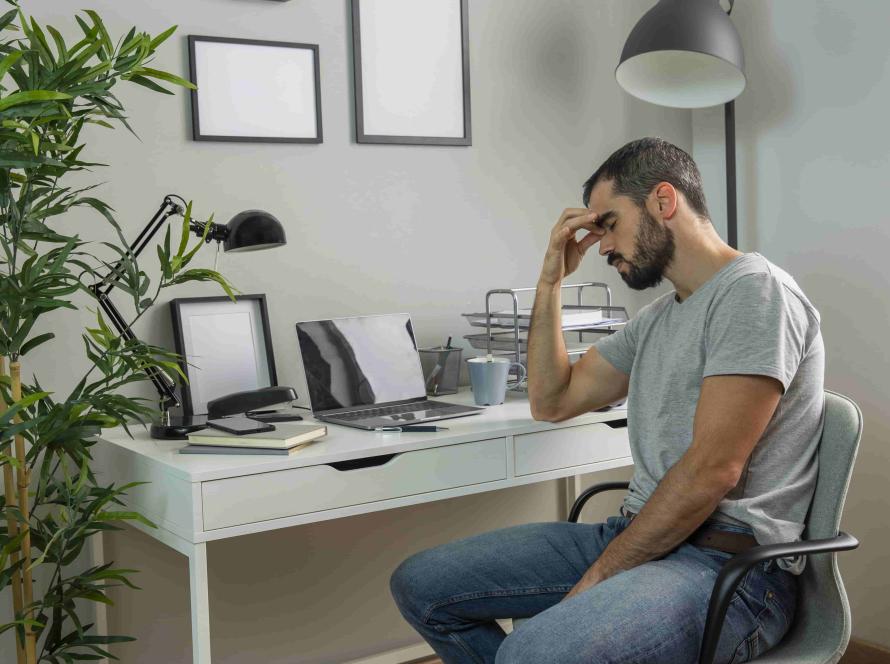
Stress is a natural part of everyday life, but it is not always easy to recognize when it begins to affect the body. While stress is often associated with mental pressure, it can also create physical and emotional responses. How stress feels in the body is a common question, especially for people who experience ongoing fatigue, tension, or general discomfort. In this article, we explore how stress may be felt in the body and which signs are commonly noticed in daily life, from an informative and general perspective.
What Is Stress and Why Does the Body React?
Stress is the body’s natural response to challenging or demanding situations. In the short term, stress can help improve focus and alertness. However, when stress becomes prolonged or intense, the body may struggle to return to balance, leading to various physical and mental signals.
The key factor is not stress itself, but how long it lasts and how often it occurs.
How Stress Feels in the Body: Common Physical Signs
The way stress feels in the body can vary from person to person. Still, certain physical sensations are frequently reported in daily life.
Muscle Tension and Discomfort
During stressful periods, people may notice increased tension in areas such as:
- Neck
- Shoulders
- Upper and lower back
This tension can build up gradually and may affect daily comfort if it persists.
Ongoing Fatigue
Stress may contribute to feelings such as:
- Waking up tired despite adequate sleep
- Low energy throughout the day
- Feeling mentally or physically drained
These sensations are often subtle at first but can become more noticeable over time.
Head Pressure or Tension-Type Headaches
Some individuals experience head discomfort during stressful periods, including:
- A feeling of pressure
- Mild to moderate tension-type headaches
These sensations are often reported toward the end of the day.
Digestive Discomfort
Stress can also influence the digestive system. Some people may notice:
- Bloating
- Mild stomach discomfort
- Changes in appetite
These experiences may vary depending on the individual and the intensity of stress.
Mental and Emotional Effects of Stress
Understanding how stress feels in the body also includes recognizing mental and emotional changes.
Difficulty Concentrating
Stress may affect mental clarity, leading to:
- Trouble focusing
- Feeling mentally scattered
- Occasional forgetfulness
These effects can influence work performance and daily tasks.
Inner Restlessness or Unease
People under stress sometimes describe:
- A constant sense of restlessness
- Feeling tense without a clear reason
- Increased irritability
These emotional signals often accompany physical sensations.
Changes in Sleep Patterns
Stress may interfere with sleep by:
- Making it harder to fall asleep
- Causing frequent awakenings during the night
- Reducing overall sleep quality
Poor sleep can, in turn, intensify feelings of fatigue and tension.
When Is Stress Considered Part of Daily Life?
Feeling stressed from time to time is normal. Daily responsibilities, work demands, and personal challenges can all contribute to temporary stress. However, stress may deserve closer attention when it:
- Persists for an extended period
- Affects daily activities or well-being
- Appears alongside ongoing physical discomfort
When Might a Professional Evaluation Be Helpful?
If stress-related sensations:
- Continue over time
- Gradually become more noticeable
- Begin to impact work, sleep, or daily routines
a professional evaluation may help clarify the situation. This does not necessarily indicate a serious condition, but it can provide reassurance and guidance.
Conclusion
Stress does not always announce itself clearly. Often, the body responds with subtle signals such as tension, fatigue, or changes in focus and sleep. Understanding how stress feels in the body can help individuals become more aware of these signs and take appropriate steps toward maintaining overall well-being.
Information Note
This article is intended for general informational purposes only and does not replace professional medical advice. For diagnosis or treatment, consultation with qualified healthcare professionals is recommended.